
Teen Bipolar Disorder Treatment in Menlo Park
Helping teens in Menlo Park, Palo Alto, and San Mateo County manage bipolar disorder through evidence-based treatment and compassionate support.
Or Call 650-507-3888
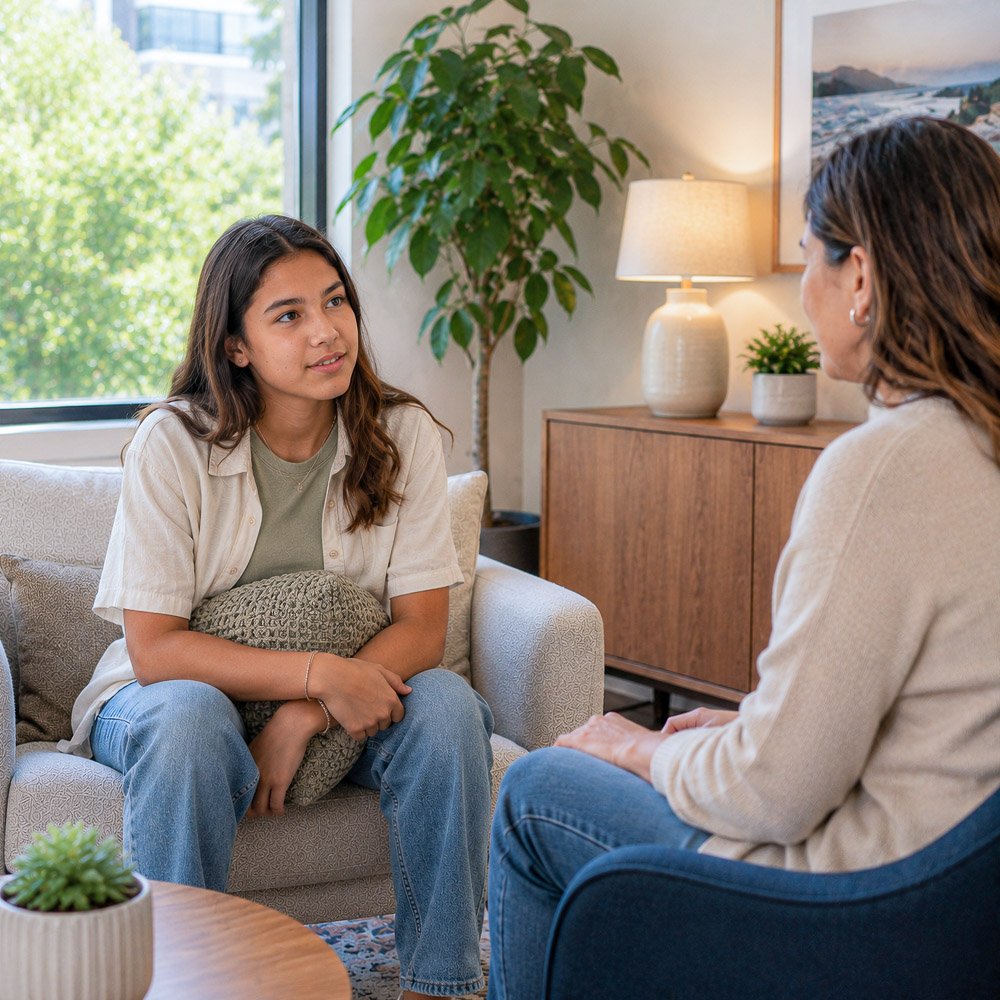
Helping Teens Navigate Bipolar Disorder
Bipolar disorder can be an overwhelming challenge for teens and their families, but with the right treatment, it’s manageable. At Guide Behavioral Health, we provide compassionate, evidence-based care to help teens achieve emotional balance and thrive. Located in Menlo Park, we proudly serve families in Palo Alto, San Mateo County, Redwood City, and nearby areas.
Understanding Bipolar Disorder
Bipolar disorder is a mental health condition characterized by extreme mood swings, including manic and depressive episodes. In teens, these shifts can disrupt their daily lives, relationships, and academic performance. Early diagnosis and intervention are essential to help teens develop coping mechanisms and reduce the long-term impact.
Signs and Symptoms of Bipolar Disorder
Teens with bipolar disorder may exhibit:
Manic Symptoms: Periods of excessive energy, impulsivity, or risky behavior.
Depressive Symptoms: Prolonged sadness, fatigue, or feelings of hopelessness.
Mixed Episodes: Symptoms of both mania and depression occurring simultaneously.
Because bipolar disorder can sometimes resemble depression, ADHD, or typical adolescent mood changes, a comprehensive clinical evaluation is essential before making treatment decisions. If your teen is struggling with these symptoms, visit our Teen Depression page to learn about interconnected challenges.
How We Treat Teen Bipolar Disorder
At Guide Behavioral Health, we use evidence-based therapies like:
Cognitive Behavioral Therapy (CBT): Helping teens identify and challenge negative thought patterns.
Dialectical Behavioral Therapy (DBT): Teaching emotional regulation and coping skills.
Family Therapy: Strengthening communication and understanding within the family unit.
For more intensive needs, explore our Intensive Outpatient Program and Partial Hospitalization Program.
Serving Menlo Park and Surrounding Areas
Our bipolar disorder treatment programs are conveniently located in Menlo Park, providing easy access for families in Palo Alto, San Mateo County, Mountain View, and Redwood City. We’re here to guide your teen to stability and your family to peace. Visit our Location Page for details.
Why Choose Guide Behavioral Health for Bipolar Disorder Treatment?
Specialized Expertise: Our therapists specialize in adolescent mental health, ensuring personalized care for teens with bipolar disorder.
Family-Centered Support: Our programs include family therapy sessions to strengthen bonds and provide ongoing support.
Flexible Scheduling: With after-school and day programs, your teen can continue their education and daily routines while receiving care.
Holistic Approach: We integrate mindfulness, yoga, and stress management techniques to promote overall well-being.

Helping Teens Find Balance and Stability
Bipolar disorder doesn’t have to define your teen’s future. At Guide Behavioral Health, we’re here to provide the tools and support they need to thrive. Get started today and learn more about our programs.
Common Questions About Teen Bipolar Disorder Treatment
-
Bipolar disorder is a mental health condition that causes extreme mood swings, including manic (high energy) and depressive (low energy) episodes. These shifts can disrupt a teen’s academic performance, social relationships, and family dynamics. Early intervention and professional support are critical to helping teens manage symptoms effectively and build long-term stability.
-
Signs of bipolar disorder include rapid mood changes, bursts of energy or irritability, difficulty sleeping, and periods of sadness or hopelessness. Teens may also exhibit risky behaviors during manic episodes or struggle with concentration and fatigue during depressive episodes. These signs can overlap with other challenges like anxiety or depression, which we also treat.
-
Episodes can be triggered by various factors, including stress, lack of sleep, changes in routine, or significant life events. In some cases, they may occur without a clear trigger. Understanding the patterns specific to your teen is an important step in managing their symptoms and preventing future episodes.
-
We provide evidence-based therapies such as Cognitive Behavioral Therapy (CBT) to address thought patterns, Dialectical Behavioral Therapy (DBT) for emotional regulation, and family therapy to enhance communication and support. For more intensive needs, explore our Intensive Outpatient Program (IOP) and Partial Hospitalization Program (PHP).
-
Yes, teens with bipolar disorder often experience co-occurring challenges such as self-harm, anxiety, or substance use. Addressing these conditions alongside bipolar disorder is critical to ensuring a comprehensive treatment plan. Learn more about our self-harm treatment and substance use programs.
-
We offer a holistic approach that combines evidence-based therapies with mindfulness practices and stress management techniques. Our location in Menlo Park makes us accessible to families in Palo Alto, San Mateo County, and nearby areas.