
Teen Anxiety Treatment in Menlo Park
Helping teens throughout Menlo Park, Palo Alto, and San Mateo County build confidence, reduce anxiety, and regain balance through evidence-based treatment.
Or Call 650-507-3888
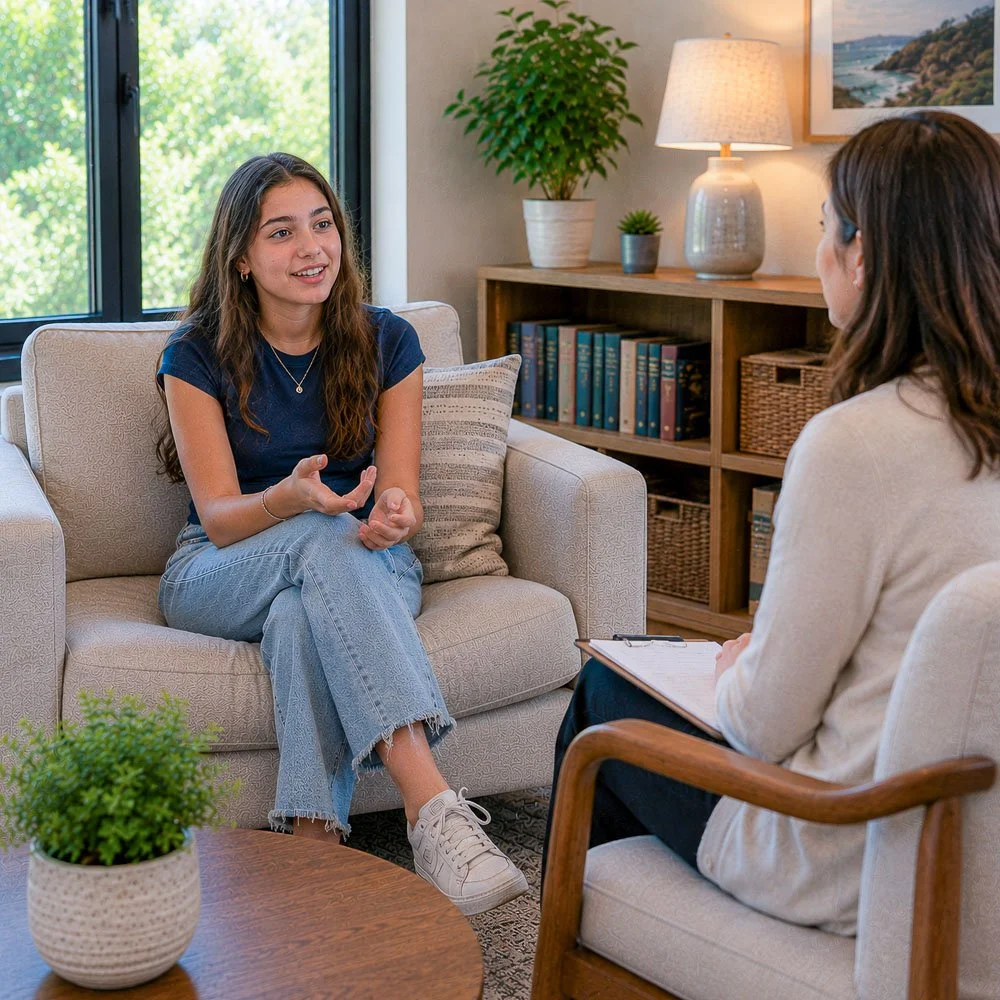
Understanding Teen Anxiety—and How We Can Help
Anxiety is one of the most common mental health concerns facing teens today—and it doesn’t just show up as nerves before a test. For many teens, anxiety becomes an everyday experience that affects school, friendships, sleep, and self-worth.
At Guide Behavioral Health, we help teens understand what they’re feeling, why it happens, and what they can do about it. Our outpatient programs are designed specifically for adolescents and delivered by therapists who specialize in teen mental health. We offer support for a wide range of anxiety-related concerns—from school stress and panic attacks to social anxiety, academic pressure, and everything in between.
Signs of Anxiety in Teens
Some teens talk openly about feeling anxious. Others withdraw, lash out, or try to power through silently. You might notice your teen:
Avoiding social situations, public speaking, or phone calls
Worrying excessively about school performance or friendships
Complaining of frequent stomachaches, headaches, or fatigue
Having trouble falling or staying asleep
Seeming overwhelmed, perfectionistic, or easily irritated
Freezing up before assignments, tests, or deadlines
These aren’t just personality quirks—they’re signs that your teen might benefit from structured, therapeutic support.
How We Treat Teen Anxiety
We take a collaborative, whole-person approach to treating anxiety. Our therapists build strong relationships with teens and teach real-world tools they can use to manage stress, build resilience, and feel more in control.
Cognitive Behavioral Therapy (CBT)
CBT helps teens recognize anxious thought patterns and replace them with more realistic, supportive beliefs. It’s one of the most effective therapies for treating anxiety and is integrated into both individual and group sessions. Learn more about CBT and therapy methods we use.
Dialectical Behavior Therapy (DBT)
DBT teaches emotional regulation and distress tolerance skills, especially helpful for teens whose anxiety shows up through panic, shutdowns, or self-harm.
Mindfulness-Based Therapy
We integrate mindfulness strategies into every level of care, helping teens stay grounded and manage physical symptoms of anxiety. Visit our Mindfulness Therapy page for more.
Group & Family Therapy
Group therapy builds social confidence and a sense of belonging, while family therapy improves communication and builds support at home.
Outpatient Programs for Teen Anxiety
Intensive Outpatient Program (IOP)
Our IOP runs after school, 3–4 days per week. It’s designed for teens who need more support than traditional therapy can offer, but who can still attend school and live at home. Learn more about our IOP.
Partial Hospitalization Program (PHP)
PHP is our highest level of outpatient care, offering full-day therapy Monday through Friday. It’s ideal for teens who need a reset or are struggling to function due to anxiety, depression, or trauma. Learn more about our PHP.
We also offer more flexible after-school interventions for teens with milder symptoms or scheduling constraints.
Serving Menlo Park, Palo Alto, and San Mateo County
Our teen anxiety treatment programs are based in Menlo Park and serve families throughout:
Palo Alto
Redwood City
Mountain View
San Mateo County
Families also visit Guide from Atherton, Redwood City, Belmont, and San Carlos for outpatient teen anxiety treatment.
Whether your teen is struggling with panic, social fears, or constant overthinking, we’re here to support their healing—close to home. Visit our Menlo Park location to learn more.
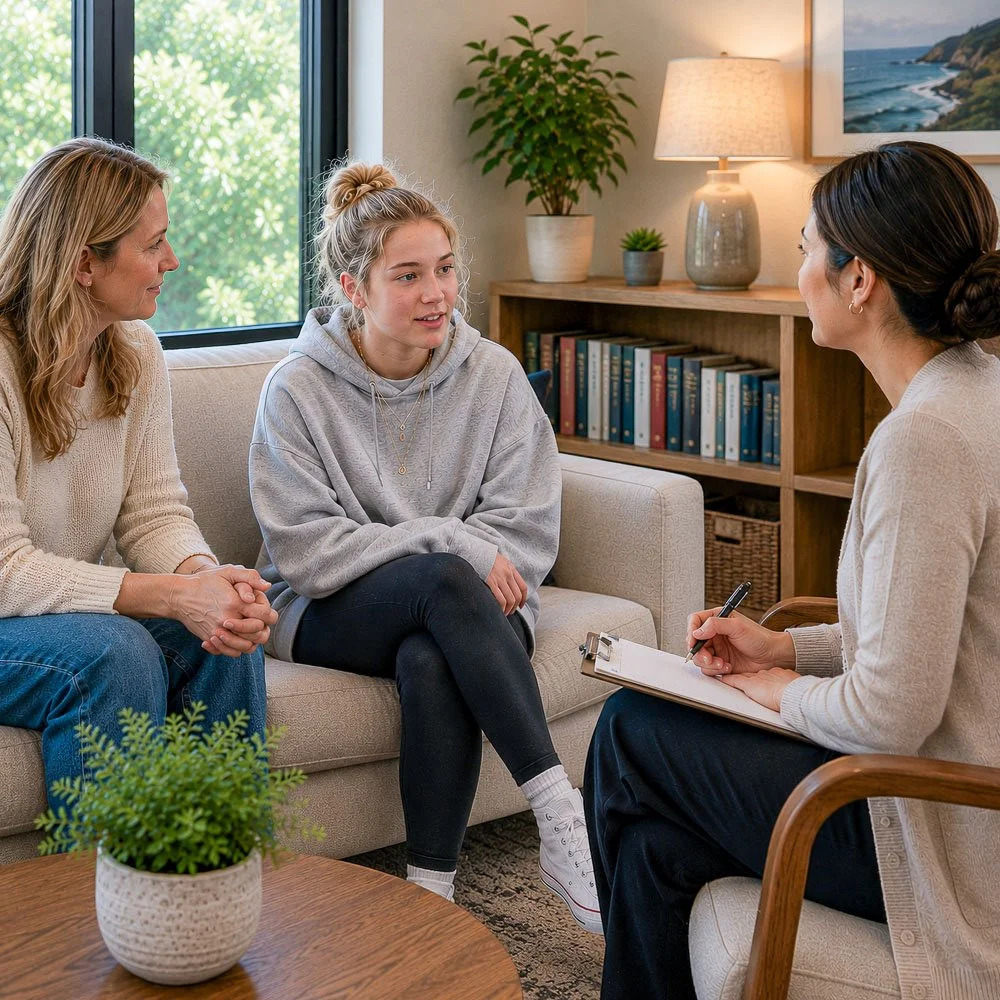
Let’s Help Your Teen Take a Breath
Anxiety can feel overwhelming—but your teen doesn’t have to manage it alone. At Guide Behavioral Health, we help teens find calm, confidence, and the tools they need to feel in control again.
Common Questions About Teen Anxiety Treatment
-
Some anxiety is normal, especially during adolescence. But if your teen’s fears are starting to affect their sleep, appetite, academic performance, or ability to enjoy life, it’s worth getting help. Anxiety doesn’t always look like panic—some teens just seem avoidant, irritable, or exhausted. If you’re unsure, our team can help assess what’s going on and recommend the best path forward.
-
Yes. Many teens in our programs struggle with performance-related pressure, test anxiety, public speaking fears, and social avoidance. We offer targeted therapy for academic stress and perfectionism as well as social anxiety, often using CBT, exposure therapy, and mindfulness strategies.
-
Yes. If your teen is experiencing physical symptoms like racing heart, nausea, shortness of breath, or sudden waves of fear, we can help. Panic attacks can be scary, but they’re treatable. Our therapists use evidence-based methods like CBT and mindfulness to teach teens how to manage panic symptoms and prevent escalation.
-
Medication can be helpful for some teens, especially when anxiety is interfering significantly with daily life. That said, many teens improve with therapy alone. We work closely with families to determine what’s appropriate and only recommend medication when it’s likely to enhance the therapeutic process. You can learn more about our full approach on the CBT and therapy methods page.
-
Absolutely. That’s the idea behind our Intensive Outpatient Program (IOP). Teens attend structured therapy 3–4 days a week after school, so they can stay on top of academics while still receiving meaningful mental health support. For teens who need more intensive care, our Partial Hospitalization Program (PHP) is also available during the day.
-
That’s common—and completely okay. We meet teens where they are. Many of our clients start out nervous or skeptical and go on to form strong connections with their therapist and peer group. Our team knows how to build trust, and we offer mindfulness-based therapy and other gentle entry points to help ease them into care.
-
We’re located in Menlo Park and serve families from Palo Alto, Redwood City, San Mateo County, Mountain View, and surrounding areas. Teens can stay at home and in school while attending our outpatient programs. Visit our Menlo Park location page to learn more about where we’re located and how to get started.